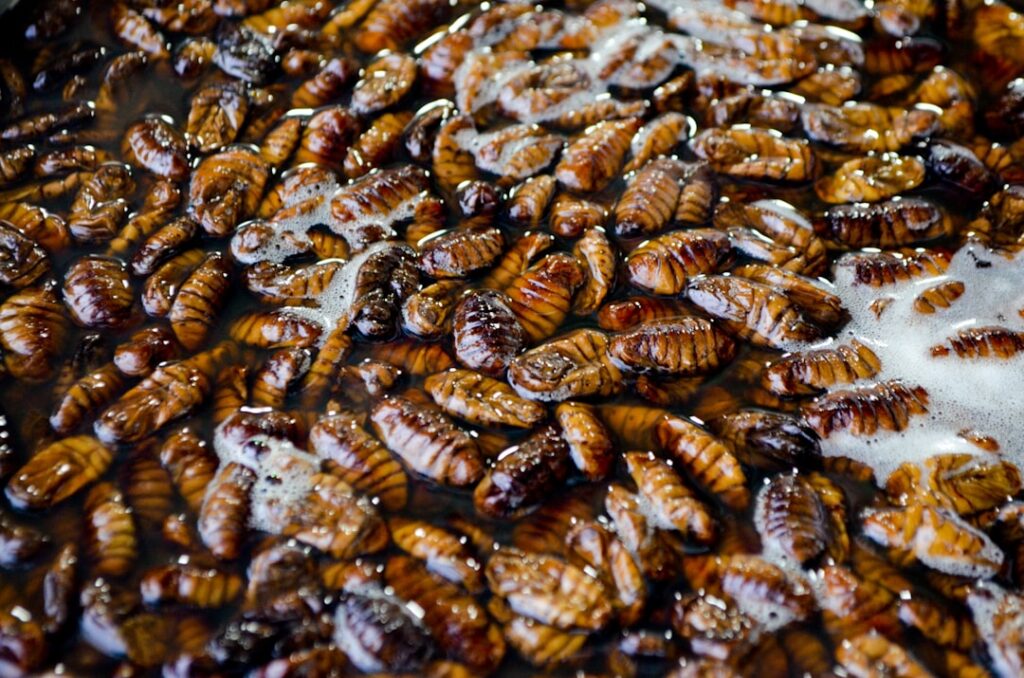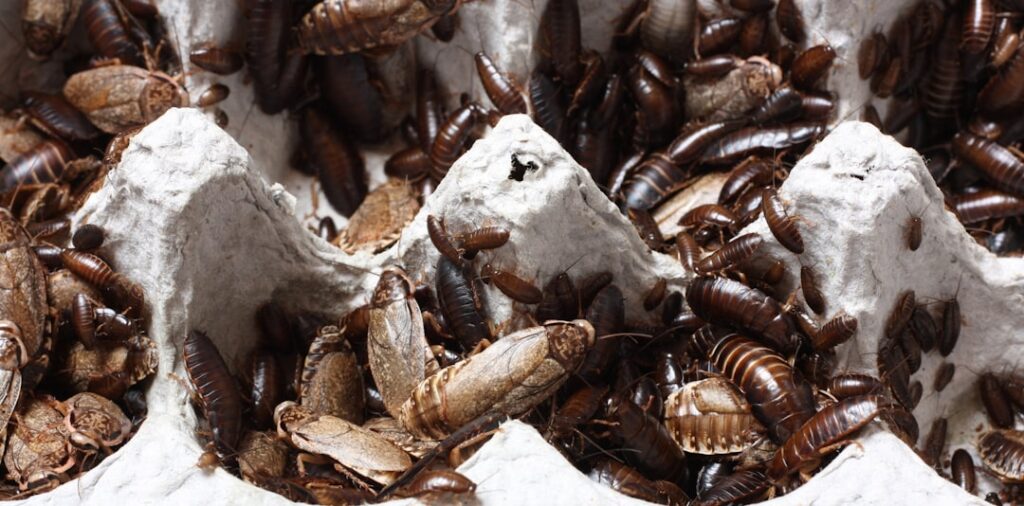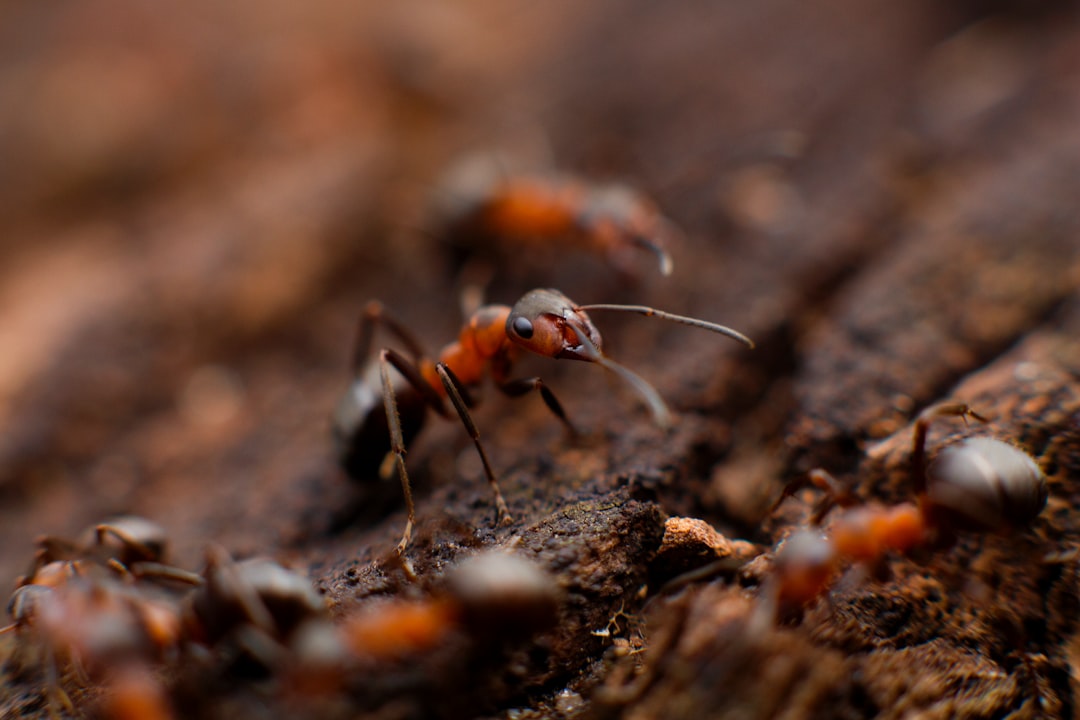
In Toronto, we find ourselves sharing our urban environment with a variety of pests that can disrupt our daily lives. The city’s diverse climate and abundant food sources create an ideal habitat for many unwanted guests. Among the most common pests we encounter are ants, cockroaches, bed bugs, and rodents. Each of these pests has unique behaviors and characteristics that make them particularly challenging to manage. For instance, ants often invade homes in search of food, forming long trails that can be difficult to eliminate. Cockroaches, on the other hand, thrive in warm, humid environments and can reproduce rapidly, making them a persistent problem in both residential and commercial spaces.
Understanding these pests is crucial for effective management. Bed bugs have become increasingly prevalent in urban areas like Toronto, often hitching rides on luggage or clothing. Their bites can cause discomfort and anxiety, leading to sleepless nights. Rodents, including mice and rats, are not only a nuisance but also pose health risks by spreading diseases. By familiarizing ourselves with the common pests in our area, we can better prepare ourselves to identify and address infestations before they escalate.
Identifying Pest Infestations in Your Home or Business
Recognizing the signs of a pest infestation is the first step toward effective control. In our homes and businesses, we should be vigilant for any unusual activity or physical evidence of pests. For example, we might notice droppings, gnaw marks, or nests in hidden corners. In the case of bed bugs, we may find small blood stains on our sheets or dark spots that indicate their presence. Ant trails are another clear indicator; if we see a line of ants marching across our kitchen counter, it’s time to take action.
In commercial settings, the stakes are even higher. A pest infestation can lead to significant financial losses and damage to our reputation. We must be particularly attentive to areas where food is stored or prepared, as these are prime locations for pests. Regular inspections and monitoring can help us catch infestations early. By being proactive and aware of the signs of pests, we can protect our spaces from the potential damage they cause.
Prevention Tips for Keeping Pests Out
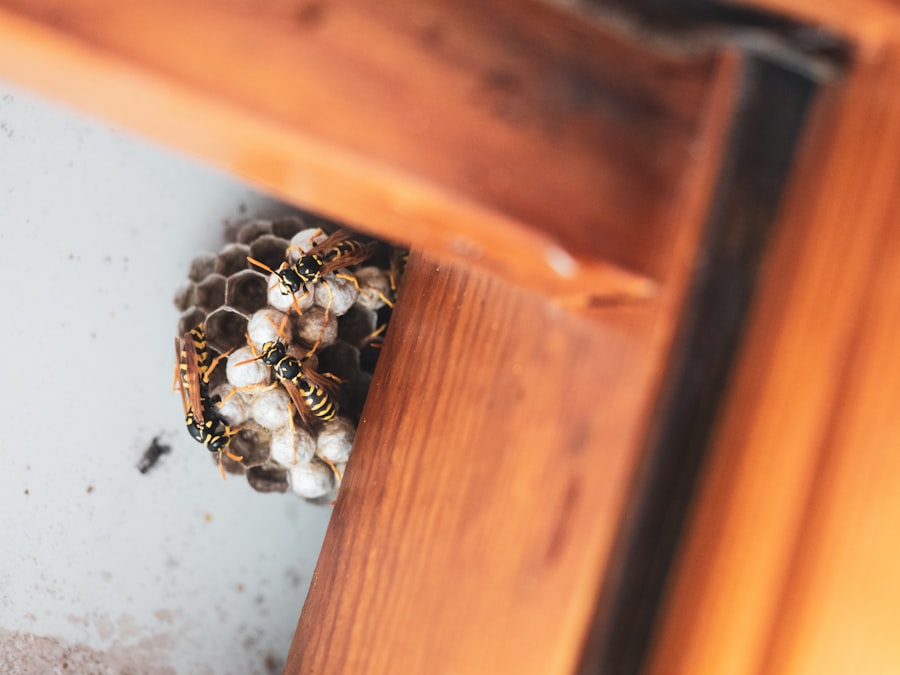
Preventing pests from entering our homes and businesses is often more effective than dealing with an infestation after it occurs. We can take several proactive measures to create an environment that is less inviting to pests. First and foremost, sealing entry points is essential. We should inspect our buildings for cracks in walls, gaps around windows and doors, and holes in screens. By sealing these openings with caulk or weather stripping, we can significantly reduce the likelihood of pests finding their way inside.
Another important prevention strategy involves maintaining cleanliness. Pests are often attracted to food sources, so we must ensure that our kitchens and dining areas are kept tidy. Regularly cleaning up crumbs, storing food in airtight containers, and promptly disposing of garbage can go a long way in deterring pests. Additionally, we should be mindful of outdoor spaces; keeping our yards well-maintained and free of debris can help prevent pests from nesting close to our homes.
DIY Pest Control Methods for Minor Infestations
For minor pest infestations, we may find that DIY methods can be effective in managing the problem without the need for professional intervention. There are numerous natural remedies and homemade solutions that we can employ to combat common pests. For instance, a mixture of vinegar and water can serve as a deterrent for ants when sprayed along their trails. Similarly, diatomaceous earth is a non-toxic powder that can be sprinkled in areas where we suspect insect activity; it works by dehydrating pests upon contact.
While DIY methods can be helpful for minor issues, it’s important to approach them with caution. We should always ensure that any substances we use are safe for children and pets. Additionally, if we find that our efforts are not yielding results after a reasonable amount of time, it may be wise to consider seeking professional assistance before the situation worsens.
Hiring Professional Pest Control Services
| Metric | Value | Notes |
|---|---|---|
| Common Pests | Bed Bugs, Cockroaches, Ants, Rodents, Spiders | Most frequently treated pests in Toronto homes |
| Average Treatment Cost | 150 – 400 | Cost varies by pest type and treatment method |
| Average Treatment Duration | 1 – 3 hours | Depends on infestation severity |
| Seasonal Peak | Spring and Summer | Higher pest activity during warmer months |
| Customer Satisfaction Rate | 85% | Based on local pest control service reviews |
| Eco-Friendly Options | Available | Many companies offer green pest control solutions |
When faced with a significant pest problem, hiring professional pest control services may be the most effective solution. These experts possess the knowledge and experience necessary to identify the root causes of infestations and implement targeted strategies for eradication. They often have access to specialized tools and products that are not available to the general public, allowing them to tackle even the most stubborn infestations.
Moreover, professional pest control services can provide us with valuable insights into preventing future infestations. They can conduct thorough inspections of our properties and offer recommendations tailored to our specific situations. While there is a cost associated with hiring professionals, the peace of mind that comes from knowing our spaces are pest-free is often worth the investment.
Choosing the Right Pest Control Products and Equipment
For those of us who prefer a hands-on approach to pest control, selecting the right products and equipment is crucial for success. The market is flooded with various options, ranging from traps and baits to sprays and repellents. We must carefully consider the type of pest we are dealing with and choose products specifically designed for that purpose. For example, rodent traps come in different styles—snap traps, glue traps, and electronic traps—each with its own advantages and disadvantages.
Additionally, we should pay attention to safety when selecting pest control products. Many commercial pesticides contain chemicals that can be harmful to humans and pets if not used correctly. It’s essential to read labels carefully and follow all instructions to ensure safe application. If we have any doubts about which products to use or how to use them effectively, consulting with a pest control professional can provide us with the guidance we need.
Integrated Pest Management Techniques for Sustainable Solutions
Integrated Pest Management (IPM) is an approach that emphasizes sustainable solutions for pest control by combining various strategies into a comprehensive plan. This method focuses on understanding pest life cycles and behaviors while minimizing harm to the environment and non-target organisms. By employing IPM techniques, we can create long-term solutions rather than relying solely on chemical treatments.
One key aspect of IPM is monitoring pest populations to determine when intervention is necessary. This allows us to avoid unnecessary pesticide applications while still effectively managing infestations when they occur. Additionally, IPM encourages us to use cultural practices—such as crop rotation in gardens or proper sanitation in kitchens—to reduce pest habitats and food sources. By adopting an IPM approach, we not only address current pest issues but also work toward preventing future problems sustainably.
Addressing Pest Control in Outdoor Spaces and Gardens
Outdoor spaces and gardens present unique challenges when it comes to pest control. We often want to maintain a healthy ecosystem while protecting our plants from harmful insects and rodents. One effective strategy is to encourage beneficial insects that prey on common garden pests. Ladybugs and lacewings are excellent examples of natural predators that can help keep aphid populations in check.
Additionally, we should consider using organic pest control methods in our gardens. Neem oil, insecticidal soap, and garlic sprays are all natural options that can deter pests without harming beneficial insects or the environment. By being mindful of our gardening practices and choosing eco-friendly solutions, we can create beautiful outdoor spaces that thrive while minimizing pest-related issues.
Dealing with Rodent Infestations in Urban Environments
Rodent infestations are a common concern in urban environments like Toronto due to the high population density and availability of food sources. Mice and rats can quickly become a nuisance if not addressed promptly. To effectively deal with rodent infestations, we must first identify their entry points into our homes or businesses. Common access points include gaps around pipes, vents, and doors; sealing these openings is crucial for prevention.
Once we have identified potential entry points, setting traps is an effective way to manage existing populations. Snap traps are often recommended for their quick results; however, we should also consider humane options if we prefer not to harm the animals. Additionally, maintaining cleanliness in our living spaces is vital; ensuring that food is stored properly and garbage is disposed of regularly will help eliminate attractants for rodents.
Managing Pest Control in Commercial and Industrial Settings
In commercial and industrial settings, pest control takes on added significance due to potential impacts on business operations and customer perceptions. We must implement comprehensive pest management plans tailored to the specific needs of our facilities. Regular inspections are essential for identifying potential issues before they escalate into full-blown infestations.
Training staff on proper sanitation practices is another critical component of effective pest management in commercial settings. Employees should understand the importance of keeping workspaces clean and reporting any signs of pests immediately. By fostering a culture of vigilance regarding pest control within our organizations, we can minimize risks and maintain a safe environment for both employees and customers.
Ensuring Safe and Effective Pest Control Practices
Ultimately, ensuring safe and effective pest control practices should be our top priority as we navigate the challenges posed by pests in Toronto. Whether we choose DIY methods or hire professionals, it’s essential to prioritize safety for ourselves, our families, pets, and the environment. We must always read labels carefully when using chemical products and follow all safety guidelines provided by manufacturers.
Moreover, staying informed about best practices in pest management will empower us to make educated decisions regarding pest control strategies. By combining knowledge with proactive measures—such as regular inspections, proper sanitation practices, and sustainable solutions—we can create environments that are less hospitable to pests while ensuring safety for all involved.
In conclusion, navigating pest control in Toronto requires a multifaceted approach that encompasses understanding common pests, identifying infestations early on, implementing prevention strategies, utilizing DIY methods when appropriate, hiring professionals when necessary, choosing safe products wisely, adopting integrated management techniques, addressing outdoor spaces thoughtfully, managing urban rodent issues effectively, overseeing commercial settings diligently, and prioritizing safety throughout the process. By working together as a community to address these challenges head-on, we can create healthier living environments for ourselves and future generations.