In the bustling world of the restaurant industry, we often find ourselves focused on creating delightful culinary experiences for our patrons. However, one critical aspect that can easily be overlooked is pest control. The presence of pests not only poses a threat to the health and safety of our customers but can also tarnish our reputation and lead to significant financial losses. By prioritizing pest control, we ensure that our establishments remain safe, hygienic, and inviting for all who walk through our doors.
Moreover, effective pest control is essential for compliance with health regulations. In Toronto, where the restaurant scene is vibrant and competitive, maintaining high standards is non-negotiable. A single pest sighting can lead to negative reviews, loss of business, and even closure by health inspectors. Therefore, understanding the importance of pest control is not just about keeping our kitchens clean; it’s about safeguarding our livelihoods and ensuring the longevity of our businesses.
Common Pest Problems in Toronto Restaurants
In Toronto, we face a variety of pest problems that can disrupt our operations. Rodents, such as mice and rats, are among the most common culprits. These pests are not only unsightly but can also carry diseases that pose serious health risks to our customers and staff. Their ability to reproduce quickly means that a small infestation can escalate into a significant problem in no time. We must remain vigilant and proactive in addressing these issues before they spiral out of control.
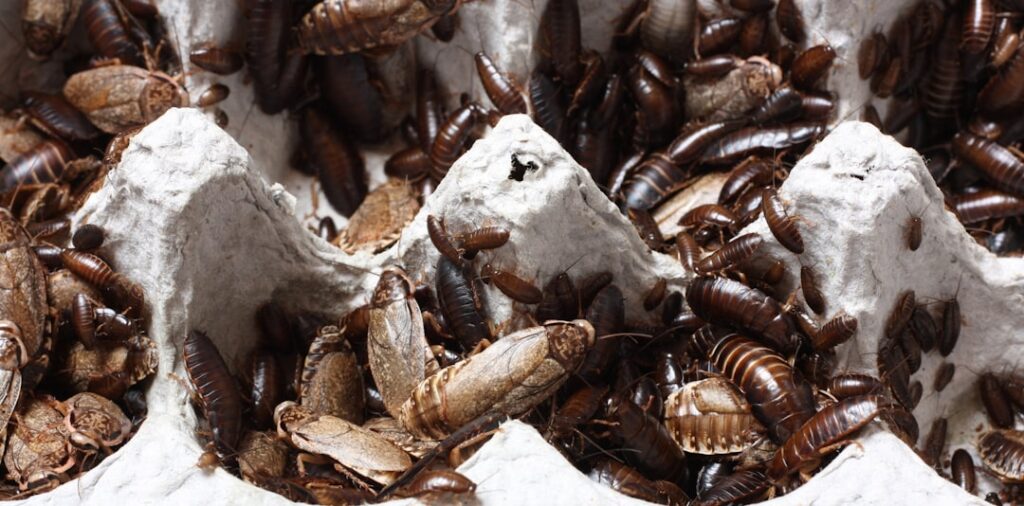
In addition to rodents, we often encounter insects like cockroaches, ants, and flies. Cockroaches are particularly notorious for their resilience and ability to thrive in various environments, making them a common nuisance in restaurants. Ants can invade our kitchens in search of food, while flies are attracted to waste and can contaminate food items. Each of these pests presents unique challenges that require tailored approaches to effectively manage and eliminate them from our establishments.
Identifying Pest Entry Points and Vulnerable Areas in Restaurants

To effectively combat pest infestations, we must first identify potential entry points and vulnerable areas within our restaurants. Pests can enter through small cracks and crevices in walls, gaps around doors and windows, or even through deliveries. By conducting a thorough inspection of our premises, we can pinpoint these vulnerabilities and take necessary measures to seal them off. This proactive approach not only helps in preventing pests from entering but also minimizes the chances of an infestation taking hold.
Additionally, we should pay close attention to areas where food is stored or prepared. Kitchens, storage rooms, and dining areas can all be hotspots for pest activity if not properly maintained. Regularly checking for signs of pest activity, such as droppings or gnaw marks, allows us to address issues before they escalate. By being diligent in our inspections, we can create an environment that is less hospitable to pests.
Implementing Integrated Pest Management (IPM) Strategies

One effective approach to pest control is Integrated Pest Management (IPM), which combines various strategies to manage pests sustainably. IPM emphasizes prevention as the first line of defense, focusing on eliminating conditions that attract pests rather than relying solely on chemical treatments. By implementing IPM strategies, we can create a comprehensive plan that addresses pest issues holistically.
For instance, we can enhance our sanitation practices by ensuring that food waste is disposed of properly and that surfaces are regularly cleaned. Additionally, we can implement physical barriers such as screens on windows and doors to keep pests out. Monitoring pest activity through traps and regular inspections allows us to respond quickly if any issues arise. By adopting an IPM approach, we not only protect our restaurants from pests but also contribute to a healthier environment for our customers and staff.
Choosing the Right Pest Control Products and Equipment
| Metric | Value | Details |
|---|---|---|
| Average Response Time | 24 hours | Time taken for pest control services to respond to a service request in Toronto |
| Common Pests Treated | Rodents, Cockroaches, Flies, Ants | Most frequent pests found in Toronto restaurants |
| Inspection Frequency | Monthly | Recommended frequency for pest inspections in restaurants |
| Success Rate | 95% | Percentage of restaurants reporting effective pest control after treatment |
| Average Treatment Duration | 1-3 days | Typical time span for pest control treatment in restaurants |
| Compliance Rate | 98% | Percentage of restaurants meeting Toronto Public Health pest control standards |
When it comes to pest control, selecting the right products and equipment is crucial for effective management. We must consider the specific types of pests we are dealing with and choose products that are both effective and safe for use in food service environments. There are various options available, including baits, traps, and insecticides, each designed for different types of pests.
It’s essential to stay informed about the latest advancements in pest control technology. New products may offer more efficient solutions with reduced environmental impact. Additionally, we should ensure that any products we use comply with local regulations and safety standards. By carefully selecting the right pest control products and equipment, we can enhance our efforts in maintaining a pest-free environment while prioritizing the safety of our customers.
Training Staff on Pest Prevention and Control Measures
Our staff plays a vital role in pest prevention and control within our restaurants. Therefore, it is imperative that we provide comprehensive training on best practices for maintaining a pest-free environment. This training should cover topics such as proper food storage techniques, sanitation practices, and how to identify signs of pest activity.
By empowering our staff with knowledge, we create a culture of vigilance where everyone is responsible for pest prevention. Regular refresher courses can help reinforce these practices and keep pest control at the forefront of our operations. When our team understands the importance of their role in pest management, we significantly reduce the likelihood of infestations occurring.
Regular Inspections and Monitoring for Early Pest Detection
Regular inspections and monitoring are essential components of an effective pest control strategy. By conducting routine checks throughout our restaurants, we can identify potential issues before they escalate into full-blown infestations. This proactive approach allows us to address problems early on and implement corrective measures promptly.
Monitoring tools such as traps can provide valuable insights into pest activity levels within our establishments. By analyzing data from these traps, we can identify trends and make informed decisions about when to take action. Consistent inspections not only help us maintain a pest-free environment but also demonstrate our commitment to providing a safe dining experience for our customers.
Working with Professional Pest Control Services in Toronto
While we can implement many pest control measures ourselves, partnering with professional pest control services in Toronto can significantly enhance our efforts. These experts bring specialized knowledge and experience that can help us tackle even the most challenging infestations effectively. They can conduct thorough inspections, identify potential vulnerabilities, and recommend tailored solutions based on our specific needs.
Moreover, professional pest control services often have access to advanced tools and products that may not be available to us as restaurant owners. By collaborating with these experts, we can ensure that our pest management strategies are comprehensive and up-to-date with industry standards. This partnership not only helps us maintain a pest-free environment but also provides peace of mind knowing that we have professionals working alongside us.
Maintaining Cleanliness and Sanitation to Prevent Pest Infestations
One of the most effective ways to prevent pest infestations is by maintaining high standards of cleanliness and sanitation throughout our restaurants. Pests are often attracted to food debris, spills, and waste; therefore, regular cleaning routines are essential in deterring them from making our establishments their home. We should ensure that all surfaces are cleaned thoroughly after each service and that food storage areas are organized and free from clutter.
Additionally, proper waste management practices play a crucial role in keeping pests at bay. We must ensure that garbage bins are emptied regularly and kept sealed to prevent attracting unwanted visitors. By fostering a culture of cleanliness among our staff and implementing strict sanitation protocols, we create an environment that is less appealing to pests.
Addressing Pest Control Compliance and Regulations in Toronto
In Toronto, compliance with local health regulations regarding pest control is paramount for restaurant owners. Health inspectors often assess our establishments for signs of pest activity during routine inspections; therefore, understanding these regulations is crucial for maintaining compliance. We must stay informed about local laws governing pest management practices to ensure that we meet all necessary requirements.
Failure to comply with these regulations can result in fines or even closure of our establishments. Therefore, it is essential that we develop a thorough understanding of the legal obligations surrounding pest control in Toronto. By prioritizing compliance, we not only protect our businesses but also contribute to the overall health and safety of our community.
Developing a Comprehensive Pest Control Plan for Restaurants
To effectively manage pests in our restaurants, we must develop a comprehensive pest control plan tailored to our specific needs. This plan should encompass all aspects of pest management, including prevention strategies, monitoring protocols, staff training initiatives, and collaboration with professional services. By taking a holistic approach to pest control, we can create a sustainable framework that minimizes the risk of infestations.
Regularly reviewing and updating this plan is equally important as it allows us to adapt to changing circumstances or emerging pest threats. By staying proactive in our approach to pest management, we ensure that our restaurants remain safe havens for customers while safeguarding our reputations as responsible business owners in Toronto’s competitive dining landscape.
In conclusion, effective restaurant pest control is an essential aspect of running a successful establishment in Toronto. By understanding the importance of pest management, identifying common problems, implementing integrated strategies, training staff, conducting regular inspections, collaborating with professionals, maintaining cleanliness, complying with regulations, and developing comprehensive plans, we can create an environment that is not only free from pests but also conducive to providing exceptional dining experiences for all who visit us.