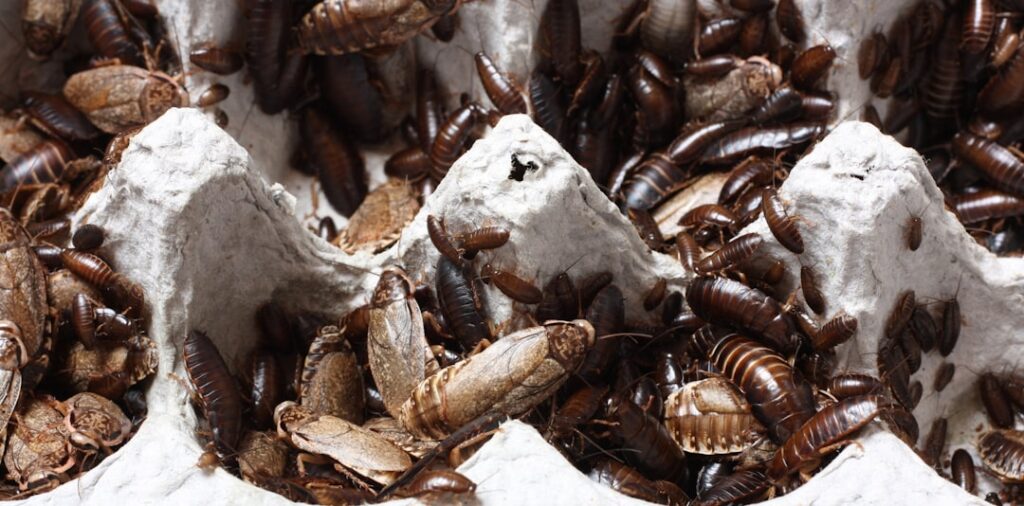
In Toronto, our bustling urban environment provides a unique habitat for various pests that can infiltrate our offices. Among the most common culprits are rodents, such as mice and rats, which are often drawn to the warmth and food sources found in commercial spaces. These creatures can not only cause structural damage but also pose significant health risks through the diseases they carry. Additionally, we must be vigilant about insects like cockroaches, ants, and bedbugs, which can quickly multiply and create an uncomfortable working environment. Each of these pests has its own set of behaviors and preferences, making it essential for us to understand their habits to effectively manage them.
Moreover, we should not overlook the presence of pests like flies and wasps, which can become a nuisance during warmer months. Flies are particularly attracted to food waste and can contaminate our workspaces with bacteria. Wasps, on the other hand, can pose a threat to employees who may be allergic to their stings. By familiarizing ourselves with these common office pests, we can better prepare for potential infestations and take proactive measures to protect our work environment.
The Importance of Effective Pest Control in the Office Environment
Effective pest control is crucial in maintaining a healthy and productive office environment. When pests invade our workspace, they can lead to significant disruptions, affecting employee morale and productivity. A pest-infested office can create an uncomfortable atmosphere, leading to distractions and decreased focus among staff members. Furthermore, the presence of pests can tarnish our company’s reputation, especially if clients or visitors encounter these unwelcome guests during their time in our office.
In addition to the psychological impact on employees, we must also consider the potential health risks associated with pest infestations. Pests can carry diseases that may spread through direct contact or contaminated surfaces. For instance, rodents are known carriers of hantavirus and leptospirosis, while cockroaches can trigger asthma and allergies in sensitive individuals. By prioritizing effective pest control measures, we not only safeguard our employees’ health but also ensure a more conducive work environment that fosters productivity and collaboration.
Choosing the Right Pest Control Service for Your Office
Selecting the right pest control service is a critical step in ensuring our office remains pest-free. With numerous options available in Toronto, we must conduct thorough research to find a provider that aligns with our specific needs. One of the first factors to consider is the company’s reputation; we should look for reviews and testimonials from other businesses to gauge their effectiveness and reliability. A reputable pest control service will have a proven track record of successfully managing infestations in commercial settings.
Additionally, we should inquire about the methods and products used by potential pest control providers. It is essential to choose a service that employs safe and environmentally-friendly techniques, as this will minimize any negative impact on our employees and the surrounding environment. Furthermore, we should ensure that the company offers comprehensive services that include not only treatment but also ongoing monitoring and preventative measures. By taking the time to choose the right pest control service, we can establish a long-term partnership that keeps our office free from pests.
Implementing Preventative Measures to Avoid Pest Infestations

Preventative measures play a vital role in keeping our office free from pests. By adopting proactive strategies, we can significantly reduce the likelihood of infestations occurring in the first place. One of the most effective ways to prevent pests is by maintaining proper sanitation practices throughout our workspace. This includes regularly cleaning common areas, disposing of food waste promptly, and ensuring that all food items are stored securely in airtight containers.
In addition to cleanliness, we should also focus on sealing potential entry points that pests may use to access our office. This involves inspecting windows, doors, and any cracks or gaps in walls for signs of wear or damage. By sealing these openings with appropriate materials, we can create a barrier that deters pests from entering our space. Furthermore, we should encourage employees to report any signs of pest activity immediately so that we can address issues before they escalate into larger infestations.
The Role of Cleanliness and Hygiene in Office Pest Control
| Metric | Value | Notes |
|---|---|---|
| Average Response Time | 24-48 hours | Time taken to respond to service requests |
| Common Pests Treated | Rodents, Cockroaches, Ants, Spiders, Bed Bugs | Most frequent pests in Toronto offices |
| Service Frequency | Monthly / Quarterly | Typical treatment schedules offered |
| Success Rate | 90%+ | Percentage of pest elimination after treatment |
| Eco-Friendly Options | Available | Use of green and non-toxic pest control methods |
| Average Treatment Duration | 1-3 hours | Time spent per treatment session |
| Customer Satisfaction | 4.5 / 5 | Average rating from client reviews |
Cleanliness and hygiene are paramount in effective pest control within our office environment. A clean workspace not only promotes employee health but also minimizes the attractants that draw pests into our space. Regular cleaning routines should be established, focusing on high-traffic areas such as kitchens, break rooms, and restrooms where food particles and waste are more likely to accumulate. By ensuring these areas are kept tidy and sanitized, we can significantly reduce the chances of attracting unwanted pests.
Moreover, we should implement hygiene practices that extend beyond surface cleaning. Encouraging employees to maintain personal cleanliness—such as washing hands after eating or using shared equipment—can further contribute to a pest-free environment. Additionally, we should consider scheduling professional deep cleaning services periodically to address hard-to-reach areas where pests may hide or breed. By prioritizing cleanliness and hygiene, we create an office atmosphere that is less inviting to pests while promoting overall employee well-being.
Identifying Signs of Pest Infestations in the Office
Recognizing the signs of pest infestations early is crucial for effective management. We must remain vigilant for any indicators that may suggest an unwelcome presence in our office. Common signs include droppings, gnaw marks on furniture or walls, and unusual odors that may indicate decaying organic matter or pest activity. Additionally, we should be aware of any unexplained damage to property or equipment, as this could signal a larger infestation.
Another important aspect of identifying pest infestations is monitoring employee reports of unusual sightings or discomfort. If staff members notice an increase in insect activity or experience unexplained allergic reactions, it is essential to take these concerns seriously. By fostering an open line of communication regarding pest sightings, we can act swiftly to investigate and address any potential issues before they escalate into a full-blown infestation.
Utilizing Integrated Pest Management (IPM) Techniques for Office Pest Control
Integrated Pest Management (IPM) is a holistic approach to pest control that emphasizes prevention, monitoring, and control strategies tailored to our specific office environment. By utilizing IPM techniques, we can effectively manage pests while minimizing the use of harmful chemicals. This approach begins with thorough inspections to identify potential pest problems and assess the factors contributing to infestations.
Once we have a clear understanding of the pest dynamics in our office, we can implement targeted control measures. This may include physical barriers, such as traps or exclusion methods, as well as biological controls that utilize natural predators to manage pest populations. Additionally, we should focus on ongoing monitoring to evaluate the effectiveness of our strategies and make necessary adjustments. By adopting IPM techniques, we can create a sustainable pest management plan that protects our office environment while prioritizing employee health and safety.
Safe and Environmentally-Friendly Pest Control Solutions for the Office
As we navigate the challenges of pest control in our office, it is essential to prioritize safe and environmentally-friendly solutions. Many traditional pest control methods rely on harsh chemicals that can pose risks to both human health and the environment. Instead, we should seek out pest control services that utilize eco-friendly products and techniques designed to minimize harm while effectively managing pest populations.
For instance, we can explore options such as natural repellents derived from plant-based ingredients or non-toxic traps that capture pests without the use of harmful substances. Additionally, we should consider implementing cultural practices that discourage pest activity, such as maintaining proper waste disposal and ensuring that food sources are not readily available. By choosing safe and environmentally-friendly pest control solutions, we not only protect our employees but also contribute to a healthier planet.
Educating Employees on Pest Control Best Practices
Education plays a vital role in fostering a pest-free office environment. We must ensure that all employees are aware of pest control best practices and understand their responsibilities in maintaining a clean workspace. This can be achieved through training sessions or informational materials that outline the importance of cleanliness, proper food storage, and reporting any signs of pest activity.
Furthermore, we should encourage employees to take an active role in pest prevention by promoting a culture of vigilance. By empowering staff members to be proactive in identifying potential issues and addressing them promptly, we can create a collective effort toward maintaining a pest-free office. Regular reminders and updates on best practices can help reinforce this commitment and keep pest control at the forefront of our workplace culture.
Regular Monitoring and Maintenance to Ensure Long-Term Pest Control
To achieve long-term pest control success, regular monitoring and maintenance are essential components of our strategy. We should establish a routine schedule for inspections and assessments to identify any emerging issues before they escalate into significant infestations. This proactive approach allows us to address potential problems early on, minimizing the impact on our office environment.
In addition to routine inspections, we should also implement ongoing maintenance practices that support our pest control efforts. This may include regular cleaning schedules, proper waste disposal protocols, and seasonal assessments of potential entry points for pests. By committing to consistent monitoring and maintenance, we can create a resilient pest management plan that adapts to changing conditions and ensures our office remains a safe and productive space.
The Benefits of Professional Pest Control Services for Offices in Toronto
Engaging professional pest control services offers numerous benefits for offices in Toronto. These experts bring specialized knowledge and experience that can significantly enhance our pest management efforts. With their understanding of local pest behavior and trends, they can provide tailored solutions that address our specific needs while ensuring compliance with regulations.
Moreover, professional pest control services often utilize advanced techniques and technologies that may not be accessible to us as individual businesses. This includes comprehensive inspections, targeted treatments, and ongoing monitoring that can effectively manage even the most challenging infestations. By partnering with professionals, we not only gain peace of mind but also free up valuable time and resources that can be better spent on our core business activities. Ultimately, investing in professional pest control services is a proactive step toward safeguarding our office environment and promoting employee well-being.