In our increasingly urbanized world, the relationship between humans and pests has become a complex one. As we navigate our daily lives, we often encounter various pests that can disrupt our homes and businesses. However, it is crucial for us to recognize the importance of humane pest control methods. These approaches not only prioritize the well-being of animals but also promote a healthier environment for us and future generations. By adopting humane practices, we can effectively manage pest populations while minimizing harm to the ecosystem.
Humane pest control emphasizes the need for coexistence rather than eradication. It encourages us to consider the ecological roles that pests play, such as pollination and decomposition. By understanding these roles, we can develop strategies that allow us to manage pest issues without resorting to lethal measures. This shift in perspective fosters a more compassionate approach to pest management, aligning with our growing awareness of animal welfare and environmental sustainability.
Identifying Common Pest Problems in Toronto
As residents of Toronto, we are no strangers to the various pest problems that can arise in our urban environment. The city’s diverse climate and abundant food sources create ideal conditions for a range of pests, including rodents, ants, cockroaches, and bedbugs. Each of these pests presents unique challenges that require our attention and understanding. By identifying these common issues, we can take proactive steps to address them before they escalate into larger infestations.
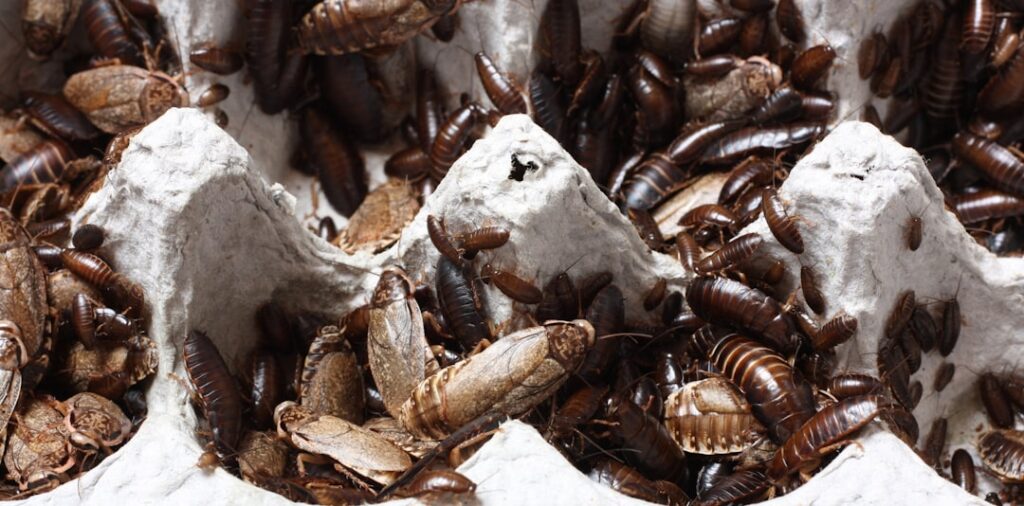
Rodents, for instance, are a prevalent concern in Toronto, particularly during the colder months when they seek shelter and warmth in our homes. Ants, on the other hand, often invade kitchens in search of food, while cockroaches thrive in damp areas. Bedbugs have also become a significant issue, especially in multi-unit dwellings. By familiarizing ourselves with these common pests and their behaviors, we can better prepare ourselves to implement effective humane control measures.
Implementing Integrated Pest Management Strategies

To tackle pest problems effectively, we must embrace Integrated Pest Management (IPM) strategies. This holistic approach combines various techniques to manage pest populations while minimizing harm to the environment and non-target species. By integrating biological, cultural, physical, and chemical methods, we can create a comprehensive plan that addresses the root causes of infestations rather than merely treating the symptoms.
One of the key components of IPM is monitoring pest populations to determine when intervention is necessary. By regularly inspecting our homes and properties, we can identify early signs of infestations and take action before they become overwhelming. Additionally, cultural practices such as proper sanitation and waste management play a vital role in preventing pest problems from arising in the first place. By working together to implement these strategies, we can create a more sustainable approach to pest control that benefits both us and the environment.
Utilizing Non-Toxic Pest Control Methods

As we seek humane solutions to pest problems, it is essential for us to explore non-toxic pest control methods. These alternatives not only protect the well-being of animals but also safeguard our health and that of our families. Many conventional pest control products contain harmful chemicals that can pose risks to humans and pets alike. By opting for non-toxic solutions, we can effectively manage pests while minimizing exposure to hazardous substances.
There are numerous non-toxic methods available for pest control that we can incorporate into our strategies. For example, essential oils such as peppermint and tea tree oil have been shown to repel certain pests without causing harm. Additionally, diatomaceous earth is a natural substance that can be used to deter insects by damaging their exoskeletons. By utilizing these non-toxic options, we can create a safer living environment while still addressing our pest concerns.
Creating a Pest-Proof Environment
| Service | Effectiveness | Response Time | Customer Satisfaction | Eco-Friendliness | Common Pests Treated |
|---|---|---|---|---|---|
| Live Animal Trapping | High | 24-48 hours | 90% | Very High | Rats, Squirrels, Raccoons |
| Exclusion Services | Medium-High | 48-72 hours | 85% | High | Birds, Bats, Rodents |
| Humane Repellents | Medium | Immediate | 80% | High | Insects, Rodents |
| Integrated Pest Management (IPM) | High | Varies | 95% | Very High | All Common Pests |
One of the most effective ways to manage pests is by creating a pest-proof environment. This proactive approach involves making our homes and properties less inviting to unwanted visitors. By taking simple yet effective measures, we can significantly reduce the likelihood of infestations occurring in the first place.
To begin with, we should focus on sealing entry points around our homes. Cracks in walls, gaps around windows and doors, and holes in foundations can all serve as entryways for pests. By sealing these openings with caulk or weather stripping, we can prevent pests from gaining access to our living spaces. Additionally, proper food storage is crucial; keeping food in airtight containers and promptly cleaning up spills can eliminate potential food sources for pests. By working together to implement these preventative measures, we can create an environment that is less conducive to pest infestations.
Adopting Natural Predators for Pest Control
In our quest for humane pest control solutions, we should also consider the role of natural predators in managing pest populations. Many pests have natural enemies that can help keep their numbers in check without the need for chemical interventions. By fostering an environment that supports these beneficial organisms, we can create a balanced ecosystem that minimizes pest issues.
For instance, ladybugs are known for their appetite for aphids, while birds can help control insect populations by feeding on them. By planting native flora that attracts these natural predators, we can encourage their presence in our gardens and yards. Additionally, creating habitats such as birdhouses or insect hotels can provide shelter for these beneficial species. By embracing the concept of natural pest control through predation, we can work towards a more sustainable approach that aligns with our values of compassion and environmental stewardship.
Using Humane Traps and Exclusion Techniques
When faced with pest infestations, humane traps offer an effective solution that allows us to capture and relocate unwanted animals without causing harm. These traps are designed to ensnare pests without inflicting injury or stress, enabling us to transport them to suitable habitats away from our homes. By utilizing humane traps, we can address pest issues while adhering to our commitment to animal welfare.
In addition to trapping, exclusion techniques play a vital role in preventing future infestations. This involves identifying potential entry points and implementing measures to block them off effectively. For example, installing screens on windows and doors can prevent insects from entering our living spaces while ensuring proper ventilation. By combining humane trapping with exclusion techniques, we can create a comprehensive approach that addresses both current infestations and future prevention.
Educating the Community on Humane Pest Control
As advocates for humane pest control practices, it is essential for us to educate our community about the benefits of these approaches. Many individuals may not be aware of the impact that traditional pest control methods can have on both animals and the environment. By sharing information about humane alternatives, we can empower others to make informed choices when it comes to managing pests.
Community workshops and informational sessions can serve as valuable platforms for disseminating knowledge about humane pest control methods. We can invite local experts to speak on topics such as Integrated Pest Management and non-toxic solutions while providing practical demonstrations on how to implement these strategies at home. By fostering a culture of awareness and compassion within our community, we can collectively work towards more sustainable pest management practices.
Seeking Professional Humane Pest Control Services
While many of us may feel equipped to handle minor pest issues on our own, there are times when seeking professional assistance becomes necessary. Professional humane pest control services specialize in addressing infestations while adhering to ethical standards that prioritize animal welfare. By enlisting their expertise, we can ensure that our pest problems are managed effectively and humanely.
When selecting a professional service, it is important for us to research companies that align with our values regarding humane treatment of animals. We should inquire about their methods and practices to ensure they utilize non-toxic solutions and humane trapping techniques. By choosing professionals who share our commitment to compassion and sustainability, we can confidently address pest issues while supporting ethical practices within the industry.
Monitoring and Preventing Future Pest Infestations
Once we have successfully addressed a pest infestation, it is crucial for us to remain vigilant in monitoring for any signs of future issues. Regular inspections of our homes and properties will allow us to catch potential problems early on before they escalate into larger infestations. By staying proactive in our approach, we can maintain a pest-free environment while minimizing the need for intervention.
In addition to monitoring, implementing preventative measures is essential for long-term success in pest management. This includes maintaining proper sanitation practices, sealing entry points, and fostering an environment that supports natural predators. By working together as a community to prioritize these practices, we can create a collective effort towards sustainable pest control that benefits everyone.
Promoting Sustainable and Eco-Friendly Pest Control Practices
As stewards of the environment, it is our responsibility to promote sustainable and eco-friendly pest control practices within our communities. This involves advocating for methods that minimize harm to both animals and ecosystems while effectively managing pest populations. By raising awareness about the importance of sustainability in pest management, we can inspire others to adopt similar practices.
We can engage in community initiatives such as clean-up events or educational campaigns focused on sustainable living. By collaborating with local organizations and experts in the field of pest control, we can amplify our message and reach a wider audience. Together, we have the power to create lasting change by promoting humane practices that prioritize both animal welfare and environmental health.
In conclusion, as we navigate the challenges posed by pests in urban environments like Toronto, it is essential for us to embrace humane pest control methods that reflect our values of compassion and sustainability. By understanding the importance of these approaches and implementing effective strategies such as Integrated Pest Management and non-toxic solutions, we can create healthier living spaces for ourselves while protecting the well-being of animals and ecosystems alike. Through education and community engagement, we have the opportunity to foster a culture of awareness around humane pest control practices that will benefit generations to come.