In our increasingly urbanized world, the relationship between humans and pests has become a complex one. As we build our homes and communities, we often find ourselves sharing our spaces with various creatures that can disrupt our lives. This is where humane pest control comes into play. It emphasizes the need to manage pest populations in a way that respects animal welfare while also addressing the concerns of human health and property protection. By adopting humane methods, we can create a balance that allows us to coexist with wildlife rather than simply exterminating it.
Humane pest control is not just about avoiding harm to animals; it also reflects our growing awareness of environmental sustainability. As we become more conscious of our ecological footprint, we recognize that traditional pest control methods can have detrimental effects on local ecosystems. By choosing humane alternatives, we contribute to a healthier environment for ourselves and future generations. This approach encourages us to think critically about our interactions with nature and fosters a sense of responsibility towards all living beings.
Identifying Common Pest Problems in Toronto
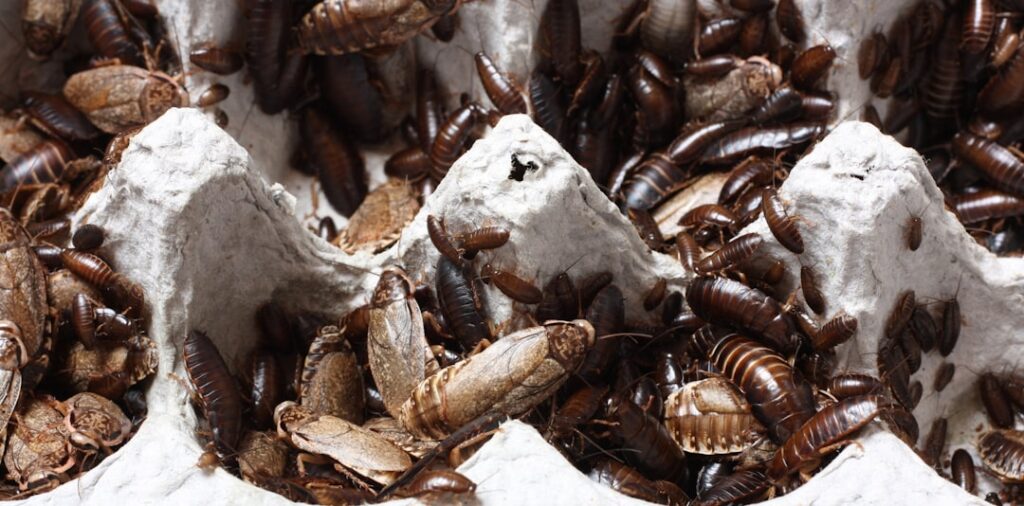
Toronto, with its diverse neighborhoods and vibrant urban landscape, is home to a variety of pests that can pose challenges for residents. Common issues include rodents like mice and rats, which thrive in the city’s many parks and green spaces. These pests are not only a nuisance but can also carry diseases that affect human health. Additionally, we often encounter insects such as cockroaches, ants, and bedbugs, which can infiltrate our homes and disrupt our daily lives. Understanding these common pest problems is the first step in addressing them effectively.
Moreover, as we explore the city, we may also come across wildlife pests such as raccoons, squirrels, and skunks. These animals are often drawn to urban environments due to the availability of food and shelter. While they may seem harmless, their presence can lead to property damage and health risks. By identifying these common pest problems in Toronto, we can better prepare ourselves to implement humane solutions that protect both our homes and the wildlife that shares our city.
The Risks of Traditional Pest Control Methods

Traditional pest control methods often rely on chemical pesticides and traps that can be harmful not only to pests but also to humans and the environment. These methods can lead to unintended consequences, such as the poisoning of non-target species, including pets and beneficial insects. Furthermore, the overuse of chemical treatments can result in pesticide resistance among pest populations, making them harder to control over time. As we reflect on these risks, it becomes clear that traditional approaches may not be sustainable in the long run.
Additionally, the psychological impact of traditional pest control methods cannot be overlooked. The use of lethal traps and toxic chemicals can create a sense of fear and anxiety among residents, especially those who are concerned about the welfare of animals. This fear can lead to a cycle of avoidance rather than proactive management of pest issues. By recognizing these risks, we can advocate for more humane alternatives that prioritize safety and compassion while effectively addressing pest problems.
The Benefits of Humane Pest Control

Humane pest control offers numerous benefits that extend beyond simply protecting animal welfare. One significant advantage is the reduction of health risks associated with traditional methods. By using non-toxic and environmentally friendly solutions, we can create safer living spaces for ourselves and our families. This approach not only minimizes exposure to harmful chemicals but also promotes a healthier ecosystem by preserving beneficial species that contribute to biodiversity.
Moreover, humane pest control fosters a more positive relationship between humans and wildlife. By employing methods that focus on prevention and relocation rather than extermination, we can coexist with nature in a more harmonious way. This shift in perspective encourages us to view pests not merely as nuisances but as integral parts of our urban ecosystem. As we embrace humane practices, we cultivate a sense of stewardship towards the environment and all its inhabitants.
Choosing the Right Humane Pest Control Company in Toronto
| Service | Target Pest | Method | Response Time | Customer Rating (out of 5) | Service Area |
|---|---|---|---|---|---|
| Live Animal Trapping | Rats, Squirrels, Raccoons | Humane cage traps and relocation | 24-48 hours | 4.7 | Greater Toronto Area |
| Bird Deterrent Installation | Pigeons, Sparrows | Netting, spikes, and visual deterrents | 3-5 days | 4.5 | Toronto and surrounding suburbs |
| Eco-friendly Rodent Control | Rats, Mice | Non-toxic bait and exclusion techniques | 24 hours | 4.8 | Toronto city limits |
| Insect Exclusion Services | Wasps, Bees, Ants | Sealing entry points and habitat modification | 2-4 days | 4.6 | Toronto and GTA |
| Consultation & Inspection | All pests | Site assessment and humane control planning | Same day or next day | 4.9 | Toronto metropolitan area |
When it comes to selecting a humane pest control company in Toronto, we must consider several factors to ensure we make an informed choice. First and foremost, it is essential to research companies that specialize in humane methods and have a proven track record of success. Reading reviews and testimonials from previous clients can provide valuable insights into their practices and effectiveness. We should also inquire about their certifications and training in humane pest management techniques.
Additionally, transparency is key when choosing a pest control company. A reputable provider should be willing to explain their methods and the products they use, ensuring that we feel comfortable with their approach. It is also beneficial to seek out companies that prioritize ongoing education for their staff, as this demonstrates a commitment to staying current with best practices in humane pest control. By taking these steps, we can find a company that aligns with our values and effectively addresses our pest concerns.
Implementing Integrated Pest Management Strategies
Integrated Pest Management (IPM) is an effective approach that combines various strategies to manage pest populations while minimizing harm to the environment. This holistic method emphasizes prevention through monitoring, habitat modification, and the use of natural predators. By adopting IPM strategies, we can create an environment that is less conducive to pest infestations while promoting ecological balance.
One key aspect of IPM is regular monitoring for signs of pests, which allows us to address issues before they escalate into larger problems. By keeping an eye on potential entry points and food sources, we can take proactive measures to deter pests from invading our homes. Additionally, incorporating natural predators into our gardens or outdoor spaces can help keep pest populations in check without resorting to harmful chemicals. Through IPM, we not only protect our homes but also contribute to a healthier ecosystem.
Using Natural and Non-Toxic Pest Control Products
As we seek humane solutions for pest control, the use of natural and non-toxic products has gained popularity among environmentally conscious individuals. These alternatives often include essential oils, diatomaceous earth, and plant-based repellents that effectively deter pests without posing risks to human health or the environment. By opting for these products, we can maintain a safe living space while addressing pest issues.
Furthermore, many natural pest control products are biodegradable and less harmful to beneficial insects such as bees and butterflies. This consideration is crucial as we strive to protect pollinators that play a vital role in our ecosystem. By choosing non-toxic options, we not only tackle our immediate pest problems but also contribute to the overall health of our environment.
Preventing Pest Infestations through Environmental Modifications
Preventing pest infestations begins with making thoughtful modifications to our environments. Simple changes such as sealing cracks and crevices in our homes can significantly reduce entry points for pests like rodents and insects. Additionally, proper waste management practices—such as securing garbage bins and composting responsibly—can eliminate food sources that attract unwanted visitors.
Landscaping choices also play a role in pest prevention. By maintaining healthy gardens with native plants that naturally repel pests or attract beneficial insects, we create an ecosystem that discourages infestations. Regular maintenance of outdoor spaces helps us stay ahead of potential problems while fostering a thriving environment for both plants and wildlife.
Humane Trapping and Removal Techniques for Wildlife Pests
When faced with wildlife pests such as raccoons or squirrels, humane trapping and removal techniques offer effective solutions without causing harm. Live traps allow us to capture these animals safely so they can be relocated to suitable habitats away from urban areas. It is essential to work with professionals who understand local regulations regarding wildlife relocation to ensure compliance with laws protecting these animals.
Moreover, humane trapping requires careful consideration of baiting techniques and trap placement to minimize stress for the captured animals. By employing these methods responsibly, we can address wildlife issues while maintaining respect for their well-being. This approach not only resolves immediate concerns but also fosters a sense of compassion towards the creatures that share our environment.
Educating the Community about Humane Pest Control Practices
Education plays a crucial role in promoting humane pest control practices within our communities. By raising awareness about the importance of coexistence with wildlife and the benefits of humane methods, we can inspire others to adopt similar approaches. Workshops, community events, and informational campaigns can serve as platforms for sharing knowledge about effective pest management strategies.
Additionally, engaging local schools in educational programs about humane pest control can instill values of compassion and environmental stewardship in future generations. By fostering a culture of understanding around these issues, we empower individuals to take action in their own homes while contributing to a more harmonious relationship between humans and wildlife.
The Future of Humane Pest Control in Toronto
As we look towards the future of humane pest control in Toronto, it is clear that a shift towards more compassionate practices is underway. With increasing awareness about animal welfare and environmental sustainability, more residents are seeking alternatives to traditional methods. This trend presents an opportunity for innovation within the pest control industry as companies adapt their services to meet changing consumer demands.
Moreover, advancements in technology may play a significant role in shaping the future of humane pest control. From smart monitoring systems that detect pest activity early on to eco-friendly products developed through research and innovation, the possibilities are vast. As we continue to advocate for humane practices, we contribute to a future where coexistence with wildlife is not only possible but celebrated within our urban landscapes.
In conclusion, embracing humane pest control is essential for fostering a balanced relationship between humans and wildlife in Toronto. By understanding the importance of these practices and actively engaging in community education efforts, we can pave the way for a more compassionate approach to managing pest populations while protecting our environment for generations to come.