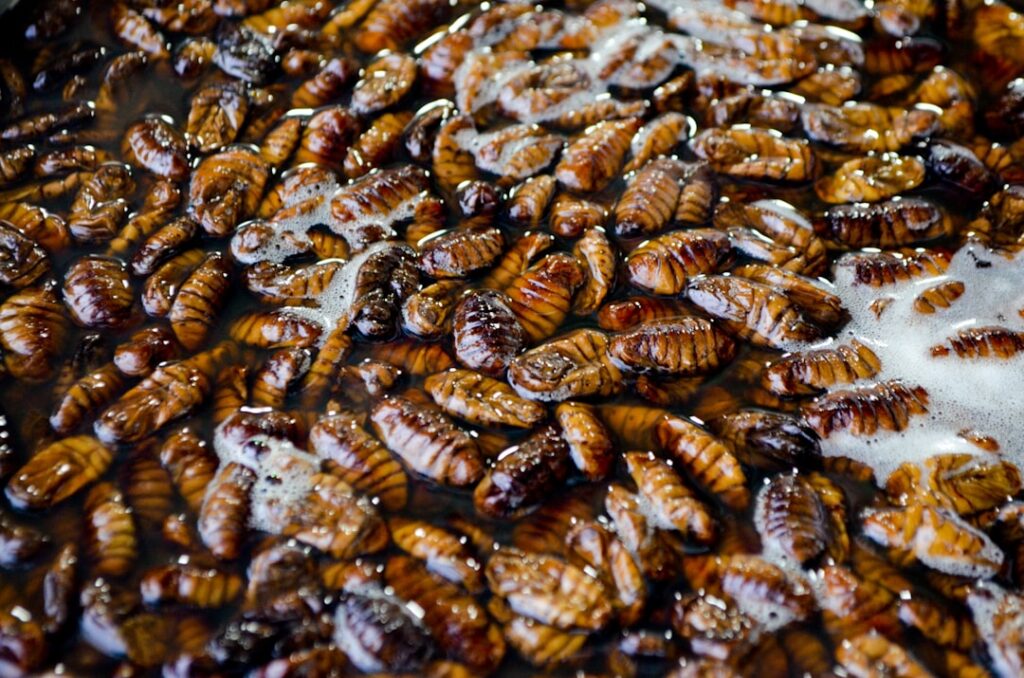
In the realm of industrial operations, the significance of pest control cannot be overstated. We recognize that pests can pose serious threats to our businesses, affecting not only our products but also our reputation. The presence of pests such as rodents, insects, and other vermin can lead to contamination, damage to property, and even health risks for employees and customers alike. By prioritizing industrial pest control, we are taking proactive steps to safeguard our assets and ensure a safe working environment.
Moreover, the implications of neglecting pest control extend beyond immediate concerns. A pest infestation can lead to costly downtime, regulatory fines, and a tarnished brand image. We understand that maintaining a pest-free environment is not merely a matter of compliance; it is essential for operational efficiency and long-term success. By investing in effective pest control measures, we are not only protecting our facilities but also enhancing our overall productivity and profitability.
Identifying Common Pests in Toronto
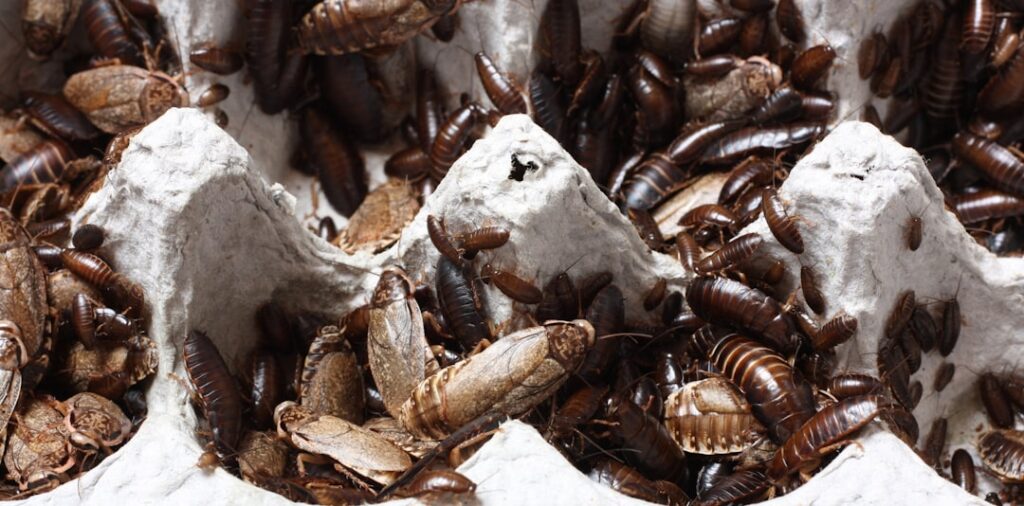
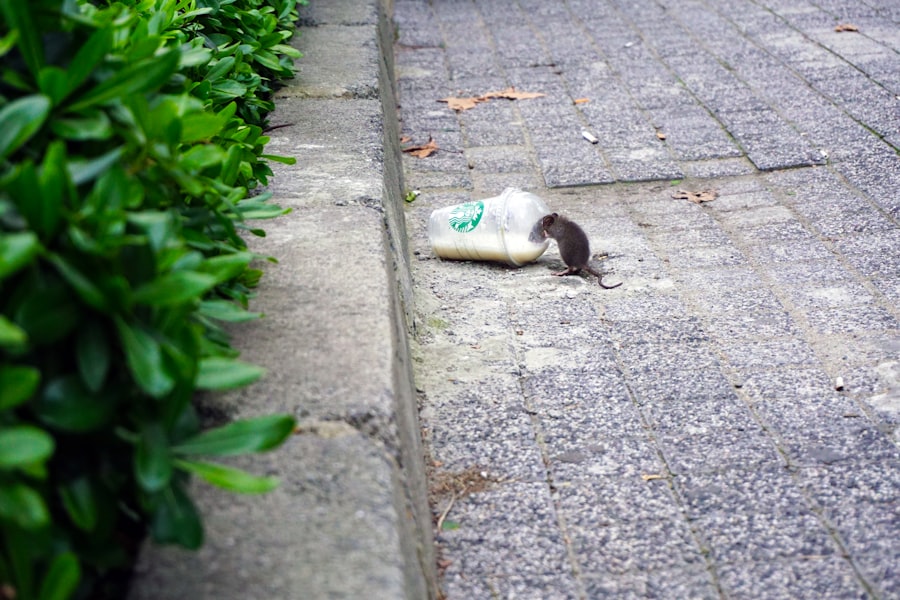
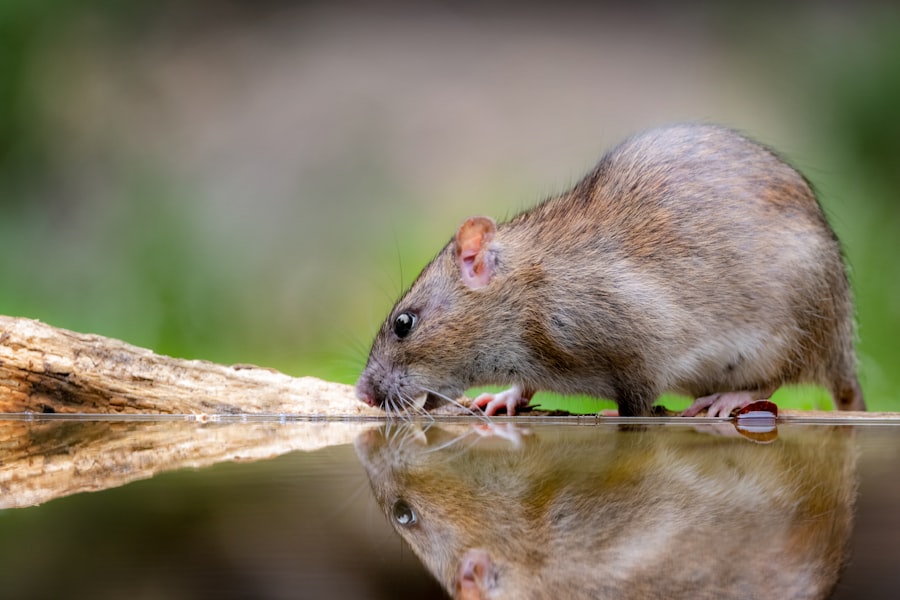
In Toronto, we encounter a variety of pests that can infiltrate industrial spaces. Among the most common are rodents, such as mice and rats, which are notorious for their ability to reproduce quickly and cause extensive damage. These pests are often attracted to food sources and can compromise the integrity of our products. Additionally, we must be vigilant against insects like cockroaches, ants, and flies, which can also pose health risks and create unsanitary conditions.
Understanding the specific pests that threaten our facilities is crucial for effective management. For instance, bed bugs have become increasingly prevalent in urban areas, including Toronto, and can easily spread through shared spaces. By familiarizing ourselves with the behaviors and habitats of these pests, we can better prepare our facilities to prevent infestations and respond swiftly if they occur.
Choosing the Right Pest Control Company
Selecting an appropriate pest control company is a critical step in our pest management strategy. We must consider several factors when making this decision, including the company’s experience, reputation, and range of services offered. A reputable pest control provider will have a proven track record in dealing with industrial pests and will be familiar with the unique challenges we face in our specific industry.
Furthermore, we should seek out companies that prioritize integrated pest management (IPM) approaches. This method emphasizes prevention and long-term solutions rather than relying solely on chemical treatments. By partnering with a company that shares our commitment to sustainable practices, we can ensure that our pest control efforts align with our overall business values.
Implementing Integrated Pest Management Strategies
Integrated Pest Management (IPM) is a holistic approach that combines various strategies to manage pests effectively while minimizing risks to human health and the environment. We recognize that IPM involves understanding the life cycles of pests, monitoring their populations, and implementing preventive measures tailored to our specific circumstances. This proactive approach allows us to address potential infestations before they escalate into significant problems.
One key component of IPM is regular monitoring and inspection of our facilities. By keeping a close eye on potential entry points and signs of pest activity, we can identify issues early on and take appropriate action. Additionally, we should consider implementing physical barriers, such as sealing cracks and gaps in walls or installing screens on windows and vents, to deter pests from entering our spaces.
Utilizing Environmentally Friendly Pest Control Methods
| Metric | Value | Unit | Notes |
|---|---|---|---|
| Number of Industrial Pest Control Companies | 25 | Companies | Operating within Toronto metropolitan area |
| Average Response Time | 24 | Hours | Time to initial inspection after service request |
| Common Pests Treated | Rodents, Cockroaches, Ants, Flies, Bed Bugs | Types | Most frequent pest issues in industrial settings |
| Annual Pest Control Visits per Facility | 4 | Visits | Average number of scheduled treatments per year |
| Compliance Rate with Health Regulations | 95 | Percent | Facilities meeting Toronto Public Health pest control standards |
| Customer Satisfaction Rate | 88 | Percent | Based on client feedback surveys |
| Use of Eco-Friendly Products | 70 | Percent | Percentage of companies using environmentally safe pest control methods |
As stewards of both our businesses and the environment, we are increasingly aware of the need for environmentally friendly pest control methods. Traditional chemical treatments can pose risks not only to pests but also to humans and non-target species. By exploring alternative solutions, we can effectively manage pests while minimizing our ecological footprint.
One approach we can adopt is the use of natural predators or biological controls. For example, introducing beneficial insects that prey on common pests can help maintain balance in our ecosystems without resorting to harmful chemicals. Additionally, we should consider using organic pesticides derived from natural sources that are less toxic to humans and wildlife. By prioritizing environmentally friendly methods, we demonstrate our commitment to sustainability while effectively managing pest populations.
Conducting Regular Inspections and Monitoring
Regular inspections and monitoring are vital components of any effective pest control strategy. We understand that consistent vigilance allows us to identify potential issues before they escalate into full-blown infestations. By establishing a routine inspection schedule, we can assess our facilities for signs of pest activity, such as droppings, nests, or damage to products.
During these inspections, we should also evaluate the effectiveness of our existing pest control measures. Are there areas where pests are still gaining access? Are our sanitation practices sufficient? By addressing these questions during our inspections, we can make informed decisions about necessary adjustments to our pest management strategies.
Implementing Proper Sanitation Practices
Sanitation plays a crucial role in preventing pest infestations in industrial settings. We recognize that maintaining a clean environment is essential for deterring pests from taking up residence in our facilities. This includes regular cleaning of workspaces, proper waste disposal, and ensuring that food storage areas are secure and free from spills or debris.
In addition to routine cleaning practices, we should also educate our employees about the importance of sanitation in pest prevention. By fostering a culture of cleanliness within our organization, we empower everyone to take responsibility for maintaining a pest-free environment. This collective effort not only enhances our pest control measures but also contributes to overall workplace safety and hygiene.
Educating Employees on Pest Prevention
Employee education is a cornerstone of effective pest management in industrial settings. We must ensure that all staff members are aware of the potential risks associated with pests and understand their role in preventing infestations. Training sessions can cover topics such as identifying common pests, recognizing signs of infestations, and implementing proper sanitation practices.
By fostering an informed workforce, we create a culture of vigilance where employees feel empowered to report any signs of pest activity promptly. This proactive approach allows us to address issues before they escalate into larger problems. Additionally, ongoing education ensures that everyone remains aware of best practices for pest prevention as new challenges arise.
Utilizing Pest-Proofing Techniques
Pest-proofing techniques are essential for safeguarding our industrial facilities against unwanted intruders. We must take proactive measures to seal potential entry points that pests may exploit to gain access to our spaces. This includes inspecting doors, windows, vents, and utility openings for gaps or cracks that could serve as entryways.
In addition to sealing entry points, we should also consider implementing physical barriers such as screens or traps in vulnerable areas. These measures not only deter pests but also provide us with valuable insights into any potential infestations by capturing or monitoring pest activity. By investing in pest-proofing techniques, we create an environment that is less hospitable to unwanted visitors.
Addressing Pest Infestations in a Timely Manner
When faced with a pest infestation, timely action is crucial for minimizing damage and disruption to our operations. We understand that delaying intervention can lead to more significant problems down the line, including increased costs and potential health risks for employees and customers alike. Therefore, it is essential for us to have a clear plan in place for addressing infestations as soon as they are detected.
Our response should involve a combination of immediate action and long-term strategies. This may include contacting our chosen pest control company for professional assistance while simultaneously implementing temporary measures to contain the infestation. By acting swiftly and decisively, we can mitigate the impact of pests on our business operations.
Evaluating the Effectiveness of Pest Control Measures
Finally, evaluating the effectiveness of our pest control measures is essential for continuous improvement. We must regularly assess whether our strategies are yielding the desired results or if adjustments are necessary. This evaluation process involves analyzing data from inspections, monitoring efforts, and feedback from employees regarding any signs of pest activity.
By maintaining open lines of communication with our pest control provider, we can gain valuable insights into the effectiveness of their treatments and recommendations for improvement. Additionally, we should be willing to adapt our strategies based on changing circumstances or emerging pest threats. Through ongoing evaluation and refinement of our pest management practices, we can ensure that we remain proactive in safeguarding our industrial facilities against pests while promoting a safe and healthy work environment for all.