In the bustling environment of Toronto, where businesses thrive and competition is fierce, the significance of commercial pest control cannot be overstated. We recognize that pests can pose serious threats to our operations, affecting not only our reputation but also our bottom line. A pest infestation can lead to health risks, property damage, and a loss of customer trust. By prioritizing pest control, we are taking proactive steps to safeguard our business and ensure a safe environment for both employees and customers.
Moreover, the implications of neglecting pest control extend beyond immediate financial losses. We must consider the long-term effects on our brand image and customer loyalty. In an age where consumers are increasingly aware of health and safety standards, a single pest sighting can tarnish our reputation irreparably. Therefore, investing in effective pest management strategies is not merely a reactive measure; it is a vital component of our overall business strategy that can enhance our credibility and foster customer confidence.
Identifying Common Pest Problems in Toronto
As we navigate the urban landscape of Toronto, we encounter a variety of pests that can infiltrate our commercial spaces. Among the most common culprits are rodents, such as mice and rats, which thrive in densely populated areas. These pests not only pose health risks by contaminating food and surfaces but can also cause significant structural damage as they gnaw through wires and insulation. Recognizing the signs of rodent activity, such as droppings or gnaw marks, is crucial for us to take timely action.
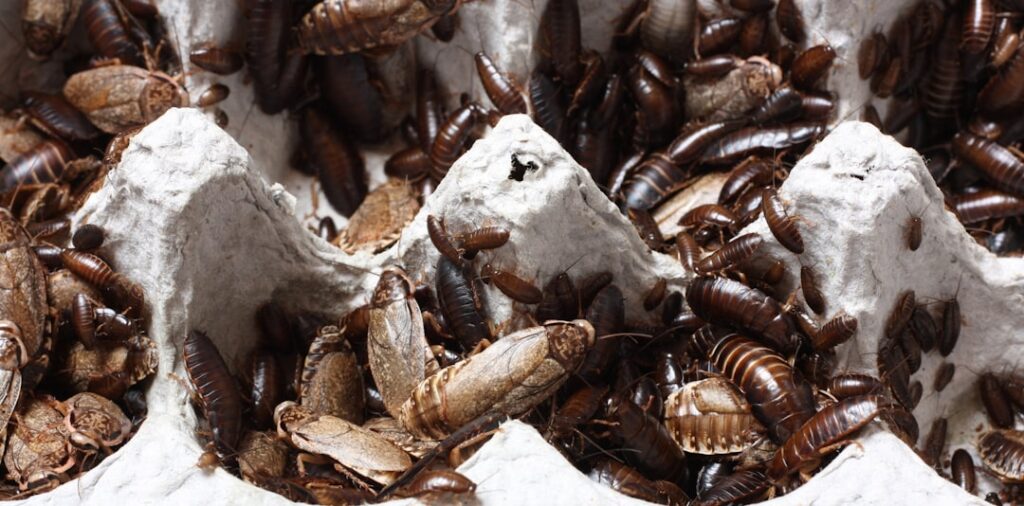
In addition to rodents, we must also be vigilant about insects like cockroaches, ants, and bedbugs. Cockroaches are notorious for their resilience and ability to reproduce rapidly, making them a formidable challenge for any business. Ants, on the other hand, can invade in search of food, creating unsightly trails that can deter customers. Bedbugs, while often associated with residential spaces, can also find their way into hotels and offices, leading to distress among employees and clients alike. By familiarizing ourselves with these common pests, we can better prepare for potential infestations and implement effective control measures.
Choosing the Right Commercial Pest Control Company

Selecting the right commercial pest control company is a critical decision that can significantly impact our pest management efforts. We must conduct thorough research to identify companies with a solid reputation and proven track record in the industry. Reading reviews and testimonials from other businesses can provide valuable insights into the effectiveness and reliability of potential service providers. Additionally, we should seek out companies that are licensed and insured, ensuring that they adhere to industry standards and regulations.
Furthermore, it is essential to consider the range of services offered by pest control companies. We should look for providers that offer comprehensive solutions tailored to our specific needs. This includes not only treatment options but also preventive measures and ongoing support. A company that emphasizes integrated pest management (IPM) techniques will likely be more effective in addressing our pest issues sustainably. By choosing a reputable pest control partner, we can ensure that our business remains protected from infestations while minimizing environmental impact.
Implementing Integrated Pest Management Techniques
Integrated Pest Management (IPM) is an approach that combines various strategies to manage pests effectively while minimizing risks to human health and the environment. As we adopt IPM techniques in our commercial spaces, we begin by conducting thorough inspections to identify potential pest entry points and breeding grounds. This proactive approach allows us to address issues before they escalate into full-blown infestations.
In addition to inspections, we can implement preventive measures such as sealing cracks and crevices, maintaining proper sanitation practices, and monitoring for signs of pest activity. By fostering an environment that is less conducive to pests, we significantly reduce the likelihood of infestations. Moreover, IPM emphasizes the use of non-chemical methods whenever possible, such as traps and baits, which align with our commitment to sustainability. By embracing IPM techniques, we not only protect our business but also contribute to a healthier community.
Utilizing Environmentally Friendly Pest Control Solutions
| Service Type | Common Pests | Average Response Time | Frequency of Service | Customer Satisfaction Rate | Typical Treatment Duration |
|---|---|---|---|---|---|
| General Pest Control | Ants, Cockroaches, Spiders | 24-48 hours | Monthly or Quarterly | 90% | 1-2 hours |
| Rodent Control | Rats, Mice | 24 hours | As needed | 85% | 2-3 hours |
| Bed Bug Treatment | Bed Bugs | 48 hours | One-time or follow-up | 88% | 3-4 hours |
| Termite Control | Termites | 72 hours | Annual Inspection | 92% | 4-6 hours |
| Bird Control | Pigeons, Sparrows | 48-72 hours | As needed | 80% | 2-3 hours |
In today’s environmentally conscious world, we have a responsibility to consider the ecological impact of our pest control methods. Utilizing environmentally friendly pest control solutions is not only beneficial for the planet but also enhances our brand image as a socially responsible business. We can explore options such as organic pesticides derived from natural sources or biocontrol methods that use beneficial insects to manage pest populations.
Additionally, we should prioritize pest control products that are low in toxicity and pose minimal risks to human health. By opting for eco-friendly solutions, we create a safer environment for our employees and customers while reducing our carbon footprint. Furthermore, promoting our commitment to sustainable practices can resonate with consumers who value environmentally responsible businesses, ultimately enhancing customer loyalty and attracting new clientele.
Developing a Customized Pest Control Plan for Your Business
Every business is unique, and so are its pest control needs. As we develop a customized pest control plan, we must consider factors such as the type of industry we operate in, the size of our facility, and the specific pests that pose a threat to our operations. Collaborating with a professional pest control company can help us create a tailored plan that addresses our unique challenges while aligning with our budgetary constraints.
Our customized plan should include regular inspections, treatment schedules, and preventive measures designed specifically for our business environment. By taking a proactive approach to pest management, we can minimize disruptions to our operations and maintain a safe space for employees and customers alike. Additionally, having a well-defined plan in place allows us to respond swiftly to any emerging pest issues, ensuring that we remain one step ahead of potential infestations.
Educating Employees on Pest Prevention and Control
An essential aspect of effective pest management lies in educating our employees about pest prevention and control measures. We must foster a culture of awareness within our organization by providing training sessions that cover topics such as identifying signs of pests, reporting infestations promptly, and practicing good hygiene in the workplace. When employees understand their role in preventing pest issues, they become valuable allies in our efforts to maintain a pest-free environment.
Moreover, we should encourage open communication among staff members regarding pest sightings or concerns. Establishing clear reporting procedures ensures that any potential issues are addressed promptly before they escalate into larger problems. By empowering our employees with knowledge and resources, we create a united front against pests while promoting a sense of responsibility for maintaining a clean and safe workplace.
Regular Inspections and Monitoring for Early Detection of Pest Issues
Regular inspections and monitoring are vital components of an effective pest control strategy. By scheduling routine assessments of our commercial spaces, we can identify potential pest problems before they become significant threats. These inspections should encompass both interior and exterior areas, focusing on high-risk zones such as kitchens, storage rooms, and entry points.
In addition to visual inspections, we can utilize monitoring tools such as traps or bait stations to track pest activity over time. This data allows us to make informed decisions about treatment options and preventive measures based on actual trends rather than assumptions. By prioritizing regular inspections and monitoring efforts, we position ourselves to respond swiftly to any emerging pest issues while minimizing disruptions to our operations.
Implementing Proper Sanitation Practices to Prevent Pest Infestations
Sanitation plays a crucial role in preventing pest infestations within our commercial spaces. We must establish strict cleaning protocols that prioritize cleanliness in all areas of our business. This includes regular cleaning of food preparation areas, proper disposal of waste materials, and maintaining clutter-free environments where pests may find shelter.
Additionally, we should educate employees about the importance of personal hygiene practices that contribute to overall sanitation efforts. Simple actions such as promptly cleaning up spills or properly storing food items can significantly reduce the likelihood of attracting pests. By fostering a culture of cleanliness within our organization, we create an environment that is less inviting to pests while promoting the health and well-being of everyone involved.
Utilizing Pest-Proofing Measures to Seal Entry Points
To effectively combat pests, we must take proactive steps to seal potential entry points into our commercial spaces. This involves inspecting the building’s exterior for gaps or cracks that may allow pests easy access indoors. Common entry points include windows, doors, vents, and utility lines; addressing these vulnerabilities is essential for maintaining a pest-free environment.
We can utilize various materials such as caulk or weather stripping to seal gaps effectively. Additionally, installing door sweeps on exterior doors can prevent pests from slipping through unnoticed. By implementing these pest-proofing measures, we significantly reduce the chances of infestations while enhancing the overall integrity of our building structure.
Evaluating the Effectiveness of Commercial Pest Control Measures
Finally, evaluating the effectiveness of our commercial pest control measures is crucial for ensuring long-term success in managing pests within our business environment. We should regularly assess the outcomes of implemented strategies by monitoring pest activity levels over time and soliciting feedback from employees regarding their observations.
If certain methods prove ineffective or if new pest issues arise despite our efforts, it may be necessary to adjust our approach accordingly. Collaborating with our chosen pest control company allows us to stay informed about emerging trends in pest management while ensuring that we remain proactive in addressing any challenges that may arise. By continuously evaluating our strategies and adapting as needed, we position ourselves for sustained success in maintaining a pest-free environment for years to come.
In conclusion, navigating the complexities of commercial pest control requires diligence and commitment from all stakeholders involved in our business operations. By understanding the importance of effective pest management strategies while implementing best practices tailored specifically for our unique needs as businesses operating within Toronto’s vibrant landscape—we can create safe environments conducive not only for productivity but also customer satisfaction!